
When it comes to shaping the sound of a drum kit, few components have as much impact as the cymbals. From the shimmering crash that punctuates a chorus to the delicate ride patterns in jazz, cymbals are essential for adding dynamics, texture, and character to any musical performance. For drummers looking to upgrade or customize their setup, knowing where to find the right cymbals for sale is a vital step toward achieving the perfect sound.
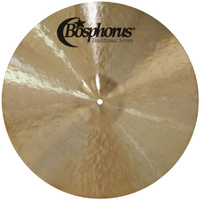
Whether you’re a touring professional or just starting your percussion journey, understanding what makes a great cymbal and how to choose one can significantly influence your music.
Understanding Cymbal Types and Their Roles
Each type of cymbal serves a distinct purpose in a drum kit. Here’s a breakdown of the most common ones:
-
Crash Cymbals: Designed to produce a loud, sharp “crash” sound, these are used for accents and climactic moments in a song.
-
Ride Cymbals: Typically larger and heavier, ride cymbals produce a sustained, shimmering tone and are often used to maintain rhythm.
-
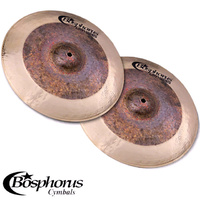
Hi-Hats: A pair of cymbals mounted on a stand and operated with a foot pedal, hi-hats are fundamental to most grooves.
-
Splash Cymbals: Smaller in size, these produce quick, sharp sounds and are used for light accents.
-
China Cymbals: With their inverted edges and trashy tone, china cymbals offer a unique, explosive sound often used in rock and metal.
Knowing what role you need a cymbal to fill is the first step in choosing the right one from the wide variety of cymbals for sale today.
What to Consider When Buying Cymbals
Before making a purchase, there are several factors to weigh:
1. Material and Construction
Most professional cymbals are made from bronze alloys, with the B20 alloy (80% copper, 20% tin) being a standard for high-end models. Brass cymbals, often found in beginner kits, are more affordable but generally lack the sonic complexity of bronze.
2. Size and Weight
Larger cymbals have more sustain and lower pitch, while smaller ones provide quick, sharp attacks. The weight also affects tone—heavier cymbals produce louder, more defined sounds, whereas lighter ones offer more wash and nuance.
3. Finish
Cymbals come in various finishes, such as brilliant or traditional. While finishes can affect the cymbal’s tone, they also influence its aesthetic—something to consider if you’re performing live.
Where to Find Quality Cymbals
The modern drummer has several avenues for sourcing quality cymbals for sale. Local retailers and specialty percussion shops often provide the opportunity to try before you buy, which is especially valuable for discerning players. Additionally, online platforms and established music store websites offer a broader inventory, including hard-to-find models, vintage selections, and budget-friendly bundles.
Many professional musicians prefer purchasing from reputable music store chains known for curating high-quality gear and offering customer support, warranty services, and trade-in options.
How to Match Cymbals to Your Playing Style
Different genres demand different tonal characteristics:
-
Jazz drummers may prefer thinner, hand-hammered ride cymbals with complex overtones.
-
Rock and metal players often go for thicker, louder crash and china cymbals with aggressive attack.
-
Funk and fusion artists tend to favor crisp hi-hats and splash cymbals for articulation and tight rhythms.
Choosing cymbals that complement your genre and playing dynamics will enhance your musical expression and ensure your drum kit sounds cohesive.
FAQs: Cymbals and Buying Advice
Q1: Should I buy cymbals individually or as a set?
A: It depends on your needs and budget. Cymbal sets often provide a balanced sonic palette and better value, while individual purchases allow for customization.
Q2: How do I maintain my cymbals?
A: Regular cleaning with a soft cloth and appropriate cymbal cleaner helps prevent oxidation and maintains tonal quality. Avoid using harsh chemicals that can damage the finish.
Q3: Are used cymbals a good option?
A: Yes, provided they’re free from cracks and keyholing. Many drummers find great value in second-hand cymbals for sale with desirable aging characteristics.
Q4: Do brand names matter when selecting cymbals?
A: While top brands often guarantee consistent quality, lesser-known manufacturers may offer unique sounds. Trust your ears and try before buying when possible.
Conclusion
Finding the right cymbals for sale is more than just a gear upgrade—it’s about refining your voice behind the drum kit. With an understanding of cymbal types, construction, and how they fit into your musical context, you’re better equipped to make informed choices. Whether browsing online or visiting a local music store, take the time to explore, listen, and choose cymbals that resonate with your artistic vision. A well-matched set of cymbals can elevate your sound and inspire your playing for years to come.