
When it comes to instruments that blend tradition, craftsmanship, and sonic brilliance, few rival the enduring appeal of the acoustic piano. With roots tracing back to the 18th century, these majestic instruments have graced concert halls, homes, and studios for generations. Today, the market for acoustic pianos for sale is vibrant, attracting seasoned musicians, passionate learners, and collectors alike.
Whether you’re drawn to their warm resonance or the tactile joy of weighted keys, acoustic pianos offer an unmatched musical experience. But navigating the landscape of models, brands, and prices can be daunting. This guide breaks down everything you need to know to make an informed choice when considering your next piano.
Why Choose an Acoustic Piano?
Acoustic pianos continue to hold a special place in the music world, despite the rise of digital counterparts. The reason is simple: authenticity. Each note played on an acoustic piano resonates through strings and a soundboard, producing a tone that is rich, organic, and multidimensional. This depth of sound cannot be fully replicated by digital alternatives.
Moreover, acoustic pianos foster better technique. They develop finger strength and control, making them ideal for learners aiming to build a strong foundation. Professionals also prefer them for their dynamic range and emotional expression.
Types of Acoustic Pianos
When exploring acoustic pianos for sale, it’s important to distinguish between the two main types: upright pianos and grand pianos.
1. Upright Pianos
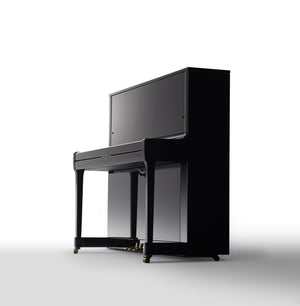
These are vertical pianos that are more compact, making them suitable for smaller spaces such as apartments or modest living rooms. Despite their size, modern upright models can offer a sound quality that rivals smaller grands.
2. Grand Pianos
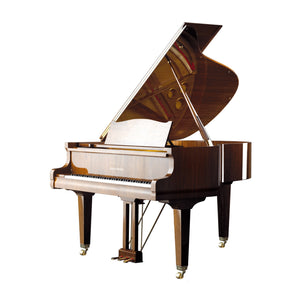
Known for their horizontal build and powerful projection, grand pianos are often the centerpiece of concert halls and large rooms. They offer superior sound control and responsiveness, which is why they remain the gold standard for performance.
Factors to Consider Before Buying
Choosing an acoustic piano is a significant investment. Here are some essential factors to keep in mind when browsing acoustic pianos for sale:
-
Size and Space: Measure your available space and ensure the piano fits comfortably without compromising acoustics.
-
Tone and Touch: Test the keys for responsiveness and listen to the tone across low, mid, and high registers.
-
Brand Reputation: Stick with established brands known for craftsmanship and durability.
-
Condition: For second-hand models, inspect the internal components or consult a professional technician.
-
Maintenance Needs: Acoustic pianos require regular tuning and proper humidity control to maintain peak performance.
Where to Shop – Finding the Right Piano Store
Selecting the right piano store is crucial in the buying journey. Reputable stores offer more than just a wide selection—they provide expertise, post-sale services, and tailored advice.
A good piano store will allow customers to:
-
Test multiple models on-site.
-
Consult with knowledgeable staff.
-
Access tuning, delivery, and warranty options.
-
Receive transparent pricing and aftercare support.
It’s advisable to avoid rushed purchases. Instead, visit multiple showrooms if possible, compare offerings, and ask questions about each model’s age, maintenance history (for used units), and return policy.
Acoustic vs Digital: A Quick Comparison
Though digital pianos offer convenience and features like headphone usage and recording, they lack the nuanced sound and tactile depth of an acoustic piano. For serious learners or those pursuing classical or jazz styles, acoustic remains the ideal choice. It teaches precision and provides the expressive range necessary for complex compositions.
However, digital pianos can still serve as practical, budget-friendly solutions in some settings, especially for beginners or space-conscious buyers.
FAQ: Acoustic Pianos for Sale
Q1: Are upright pianos suitable for beginners?
Yes, upright pianos are excellent for beginners due to their affordability and space-saving design while still offering the benefits of acoustic sound.
Q2: How often should an acoustic piano be tuned?
Most pianos require tuning every 6–12 months, depending on usage and environmental conditions.
Q3: What is the average lifespan of an acoustic piano?
With proper care, an acoustic piano can last 40–60 years or more. High-end models maintained well may even span generations.
Q4: Is it safe to buy a used acoustic piano?
Yes, but it’s important to inspect the internal mechanics, soundboard, and keys. Buying from a trusted piano store can mitigate risks.
Q5: What is the price range for acoustic pianos?
Prices vary widely. Uprights can range from $3,000 to $10,000+, while grand pianos may start around $10,000 and go well beyond $100,000 for concert-grade models.
Conclusion
Investing in an acoustic piano is more than just acquiring a musical instrument—it’s about embracing a legacy of sound, emotion, and artistic expression. Whether you’re exploring acoustic pianos for sale as a first-time buyer or upgrading to a more advanced model, understanding your needs, doing thorough research, and visiting the right piano store can make all the difference.
With the right piano, you’ll not only hear the music—you’ll feel it.